The Story of Our Logo
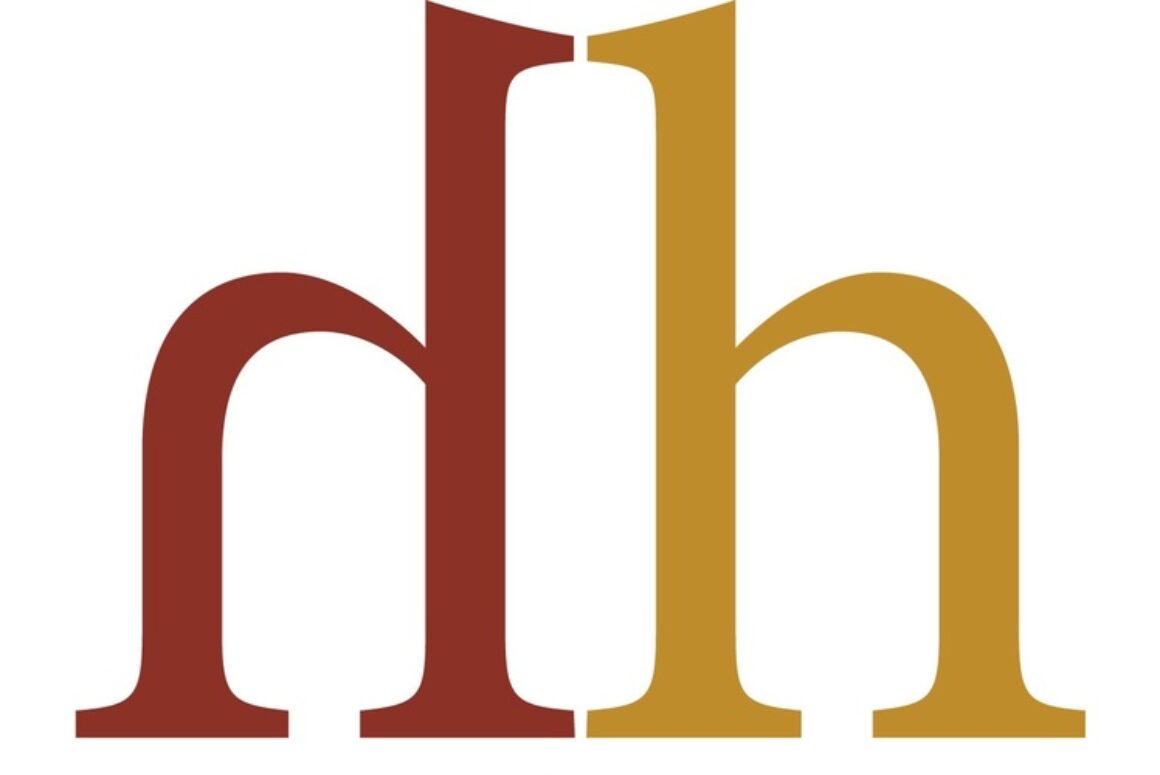
Hidden History Travel’s logo is certainly unique, distinctive and instantly recognisable, just as a strong logo should be. But, like history itself, its meaning runs deeper, with a subtle historical reference embedded within it; hidden in plain sight, so to speak.
The inspiration for the design comes from the visual language of ancient Greece, and specifically from the representations of horses in the Greek Geometric period (900-700 B.C.). These were the centuries when Greek communities were slowly recovering from the collapse of the Mycenaean palaces and starting to form the city-states, or Poleis, that went on to become the great cultural centres of Archaic and Classical times, with their magnificent temples and iconic works of art.
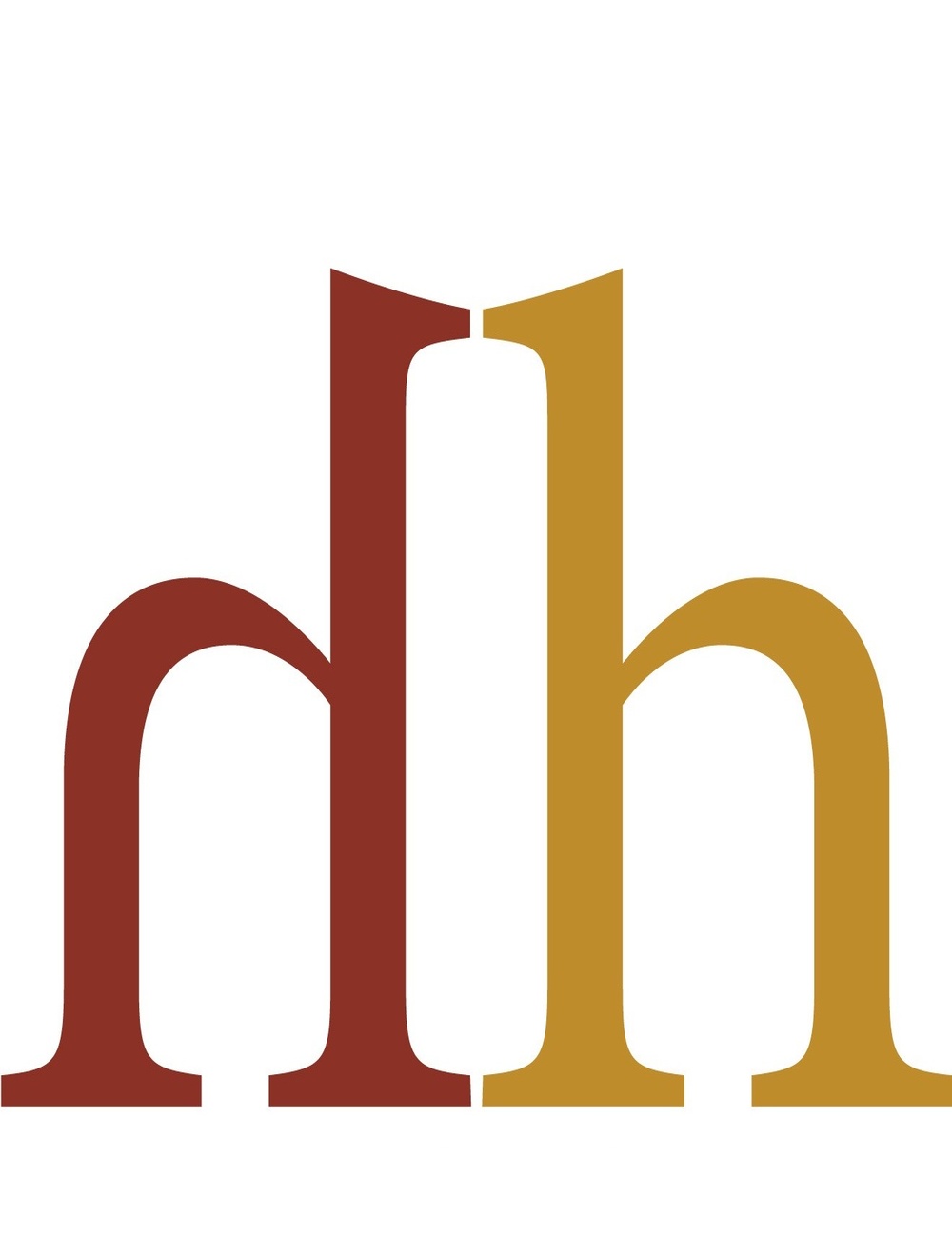
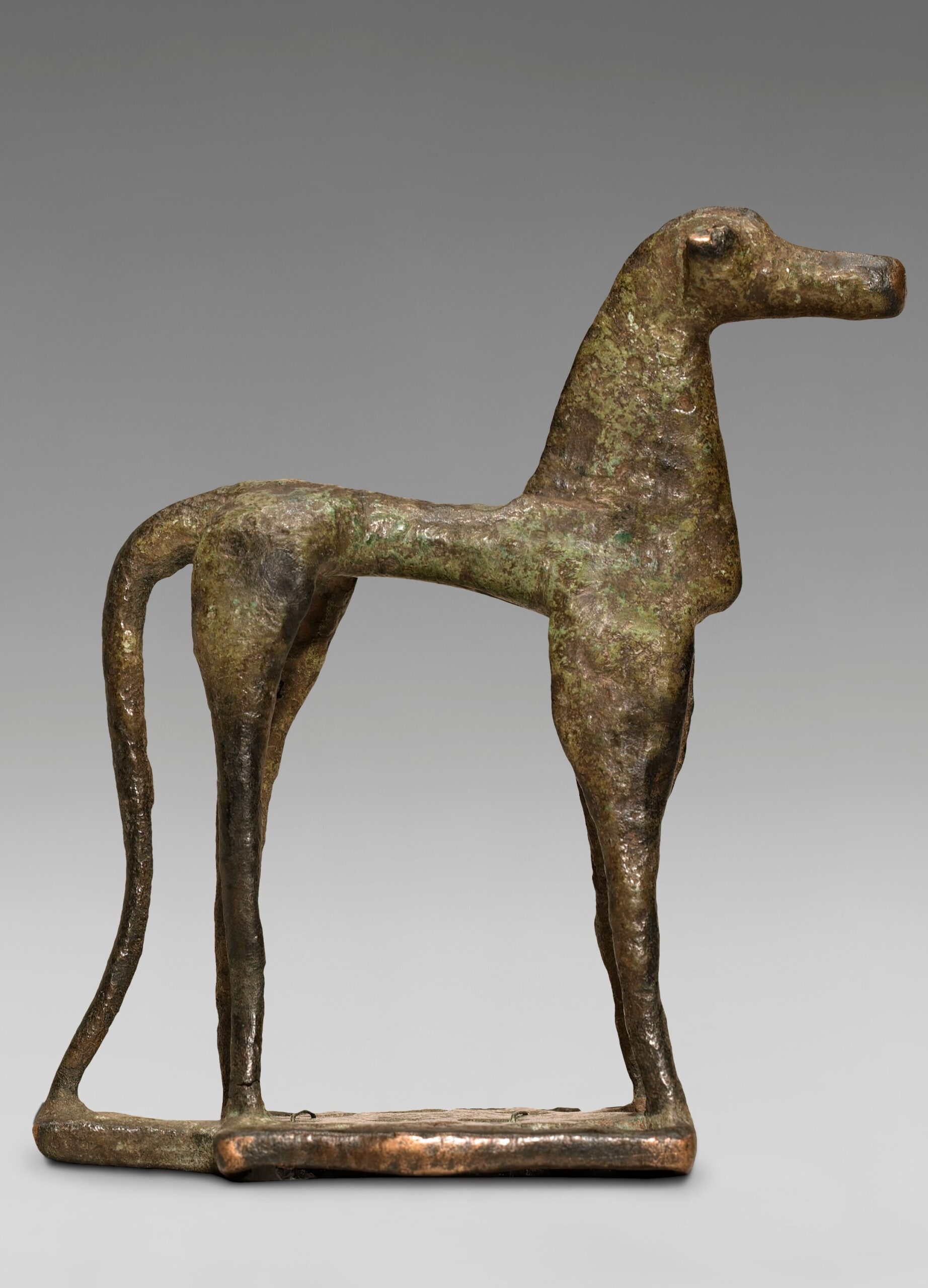

Geometric horses are characterised by an abstract representation of the animal’s anatomy, with elongated legs, narrow midsection, an angular neck and a cylindrical muzzle. You can see the resemblance to the ‘h’ of our logo, and how mirroring two of them looks like two horses kissing. So, the two halves of the logo mirror each other and the whole logo itself mirrors the past.
The Geometric horse is represented both on pottery and in small-scale bronze sculptures, part of a repertoire of repeated linear patterns and simplified figures which characterises Geometric art, whose love of order and rhythm was born out of a desire for structure in turbulent times. Geometric bronze horse statuettes have been found in great quantities at sanctuaries, where they largely outnumber all other types of solid cast statuettes.
-
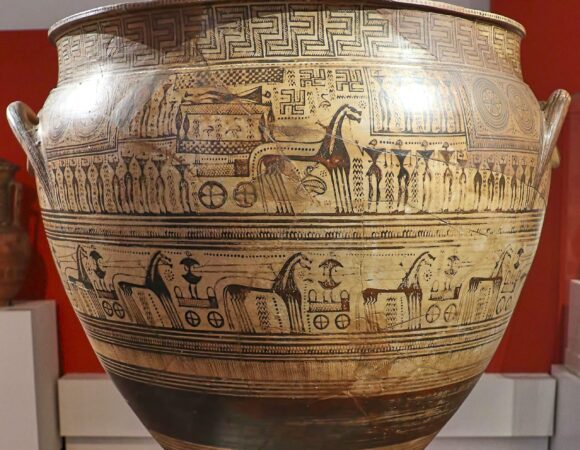
- Horses on Geometric Krater

-
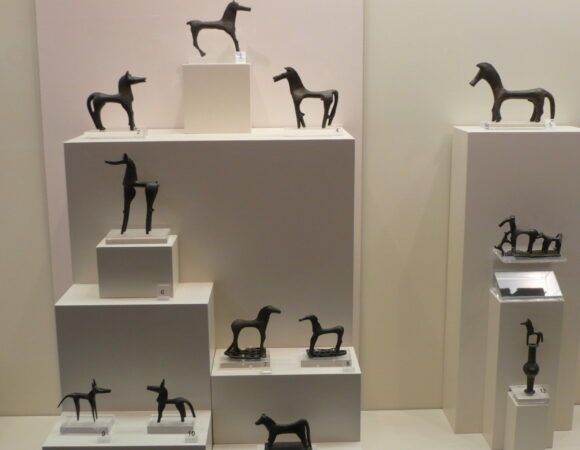
- Geometric horse statuettes from Olympia
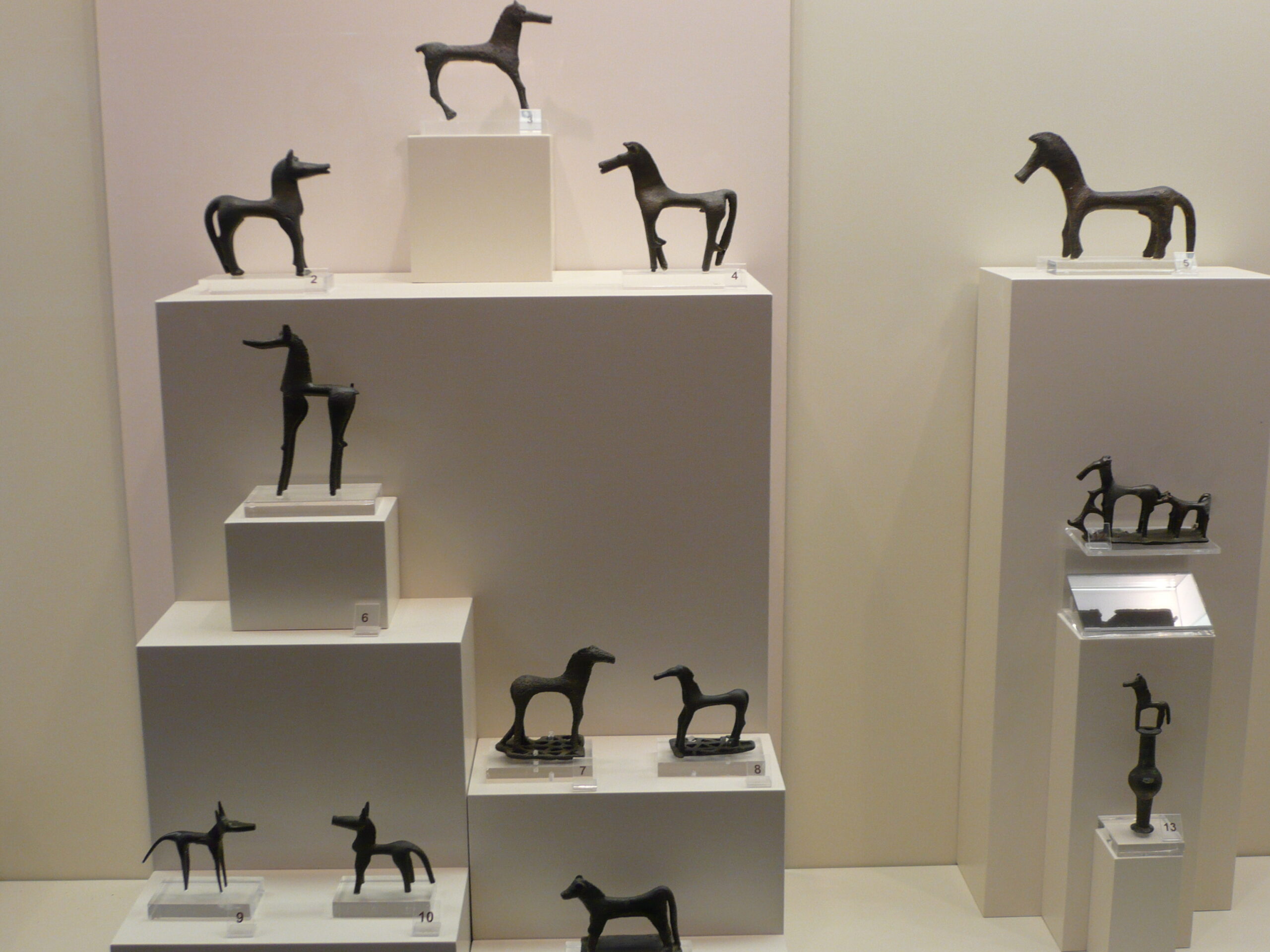
As votive offerings to the gods, horse statuettes also reflected the status of their donors, and sanctuaries were important places to display this. Panhellenic sanctuaries in particular were the venues for displays of both individual and city-state wealth and power, as well as for games and competitions, and for the creation and affirmation of Greek identity and ideals.
Owning and maintaining horses required substantial resources, making them symbols of the aristocratic elite. They played crucial roles in warfare, in transport and in competitive horse and chariot races. Horses correspondingly symbolised wealth, power, and status, and their imagery carried connotations of victory, honour, travel, cultural prowess and divine favour.
Geometric art was the starting line for Greek art. Its love of order and rhythm was carried through into Classical Greek ideals, with their emphasis on balance and harmony. Over these centuries, artists learnt to move from pattern to picture to narrative, with the horse becoming less abstract and stylized and more realistic and dramatic.
The logo of Hidden History Travel draws directly from this enduring visual language, recognising how the symbolism and narrative of the horse is relevant to both ancient riders and modern explorers alike, aligned through travel, cultural enrichment and storytelling. By mirroring the past, it evokes journeys into the past, exploration guided by fragments of history. So, more than simply a mirrored image of two letters, our logo is a reflection of what we do; exploring echoes of the past subtly woven into the character and identity of everywhere, waiting to be discovered on our tours.