
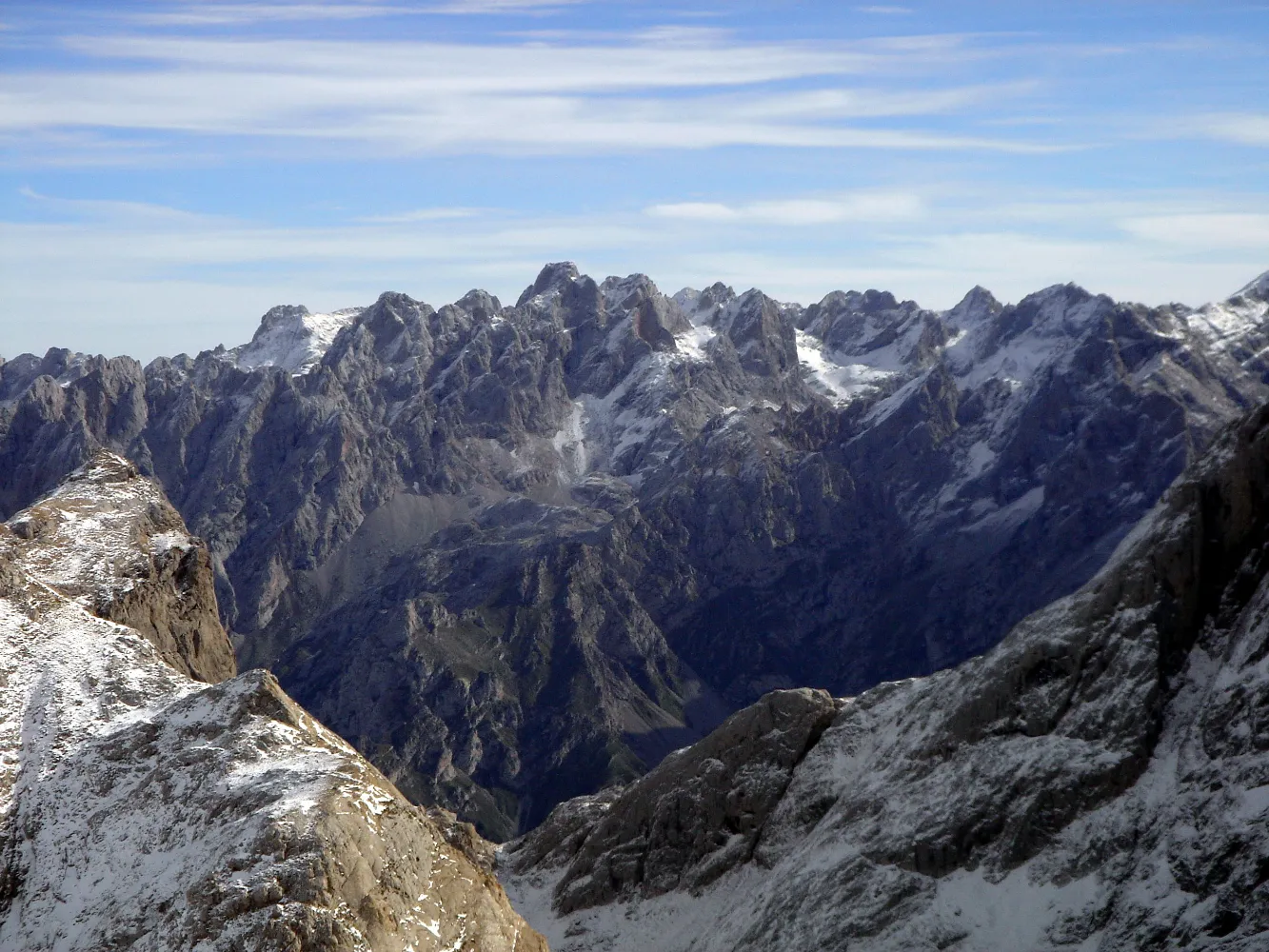
A rugged coast and spectacular mountains provide the backdrop, as two experts from Oxford University guide you through the prehistory and history of Cantabria and Asturias in northern Spain.
Highlights:
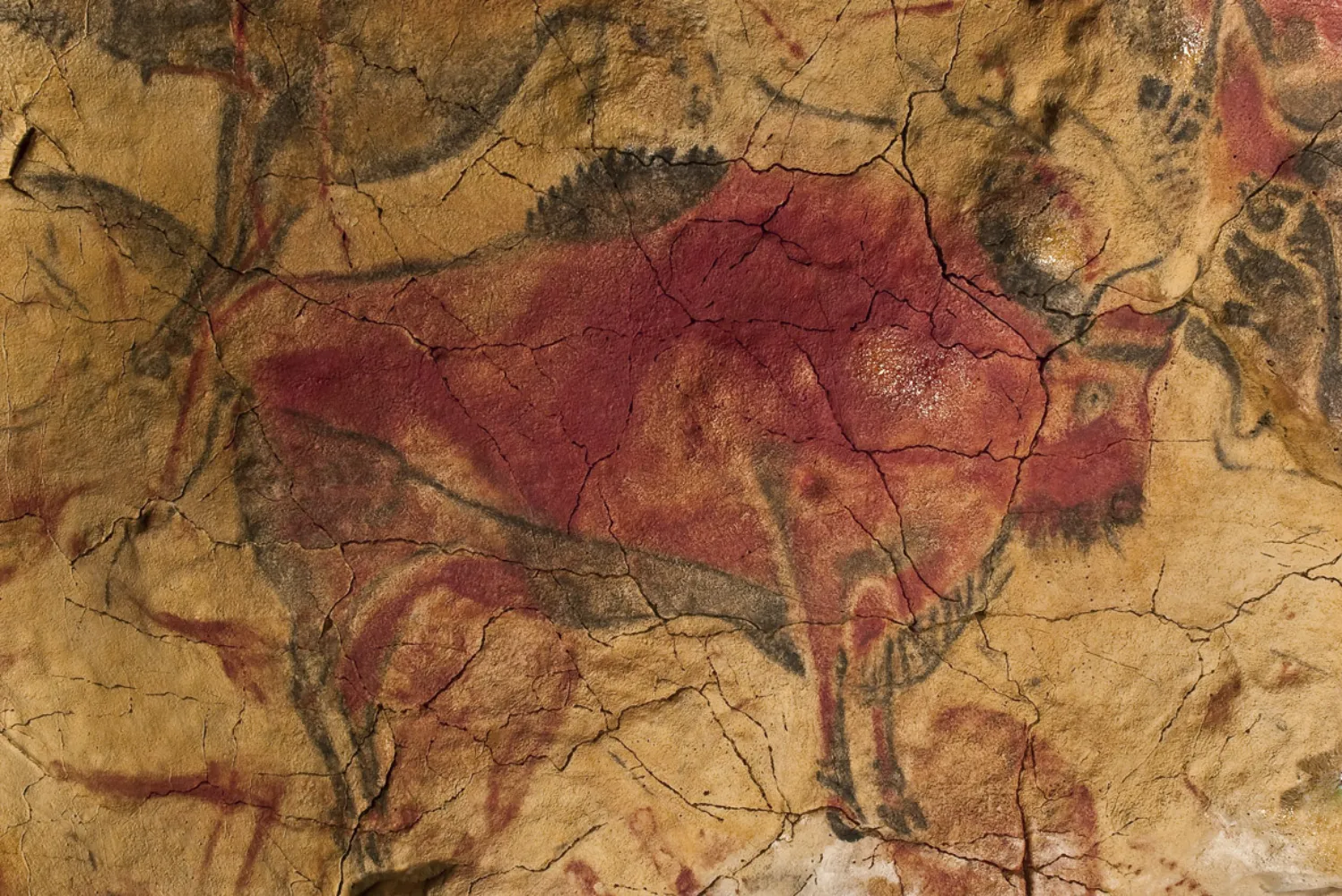
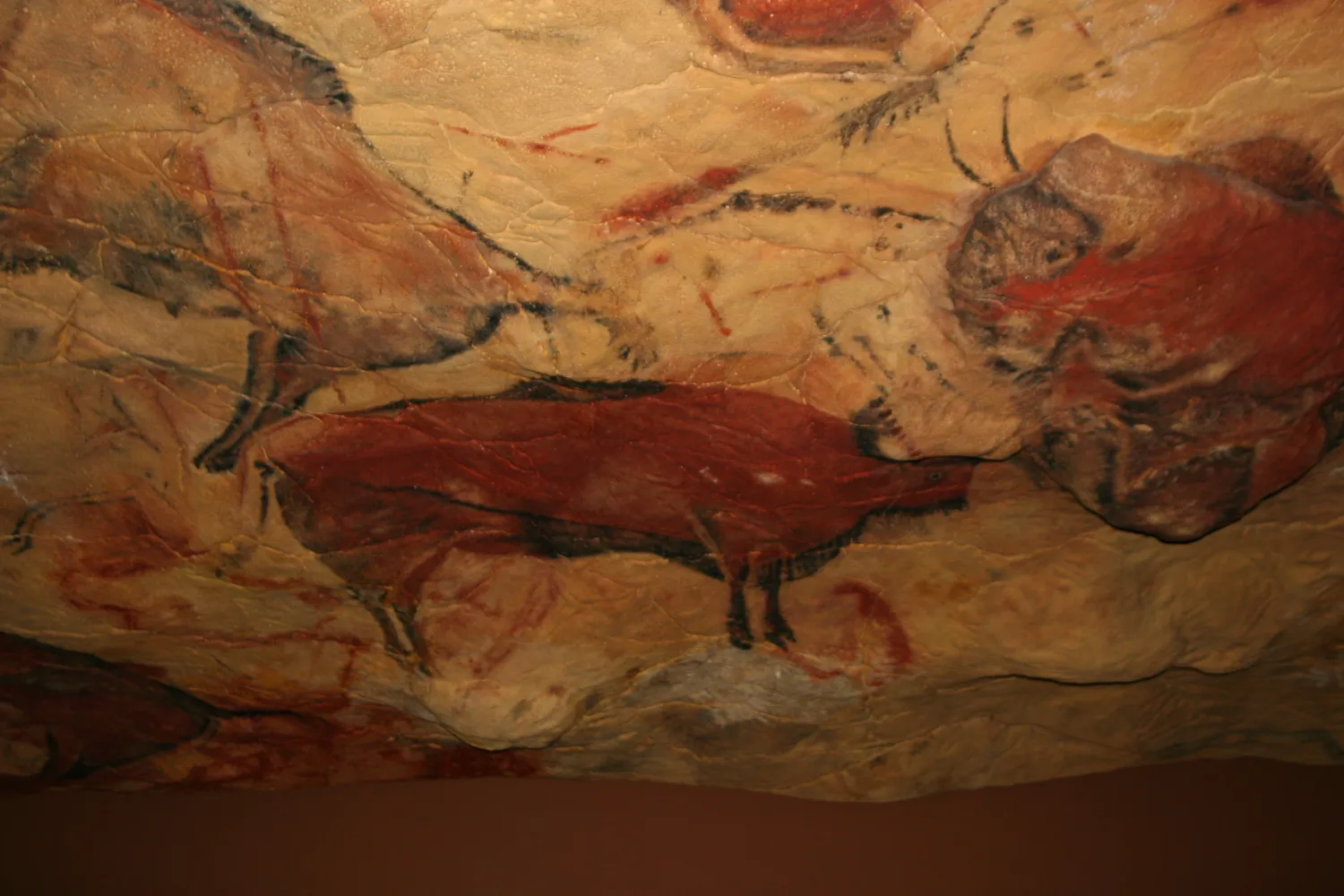
- The World Heritage Palaeolithic cave art of Cantabria.
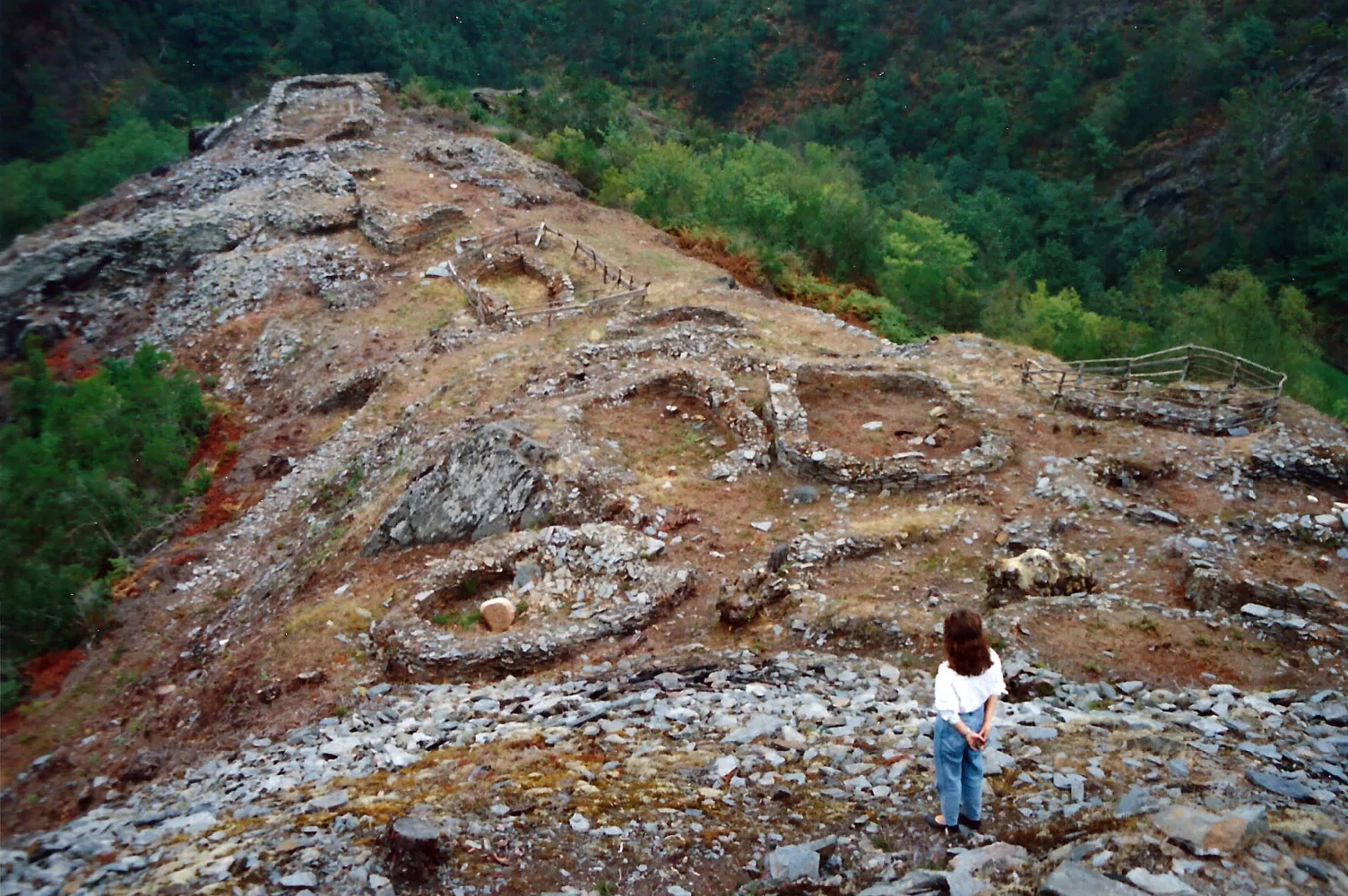
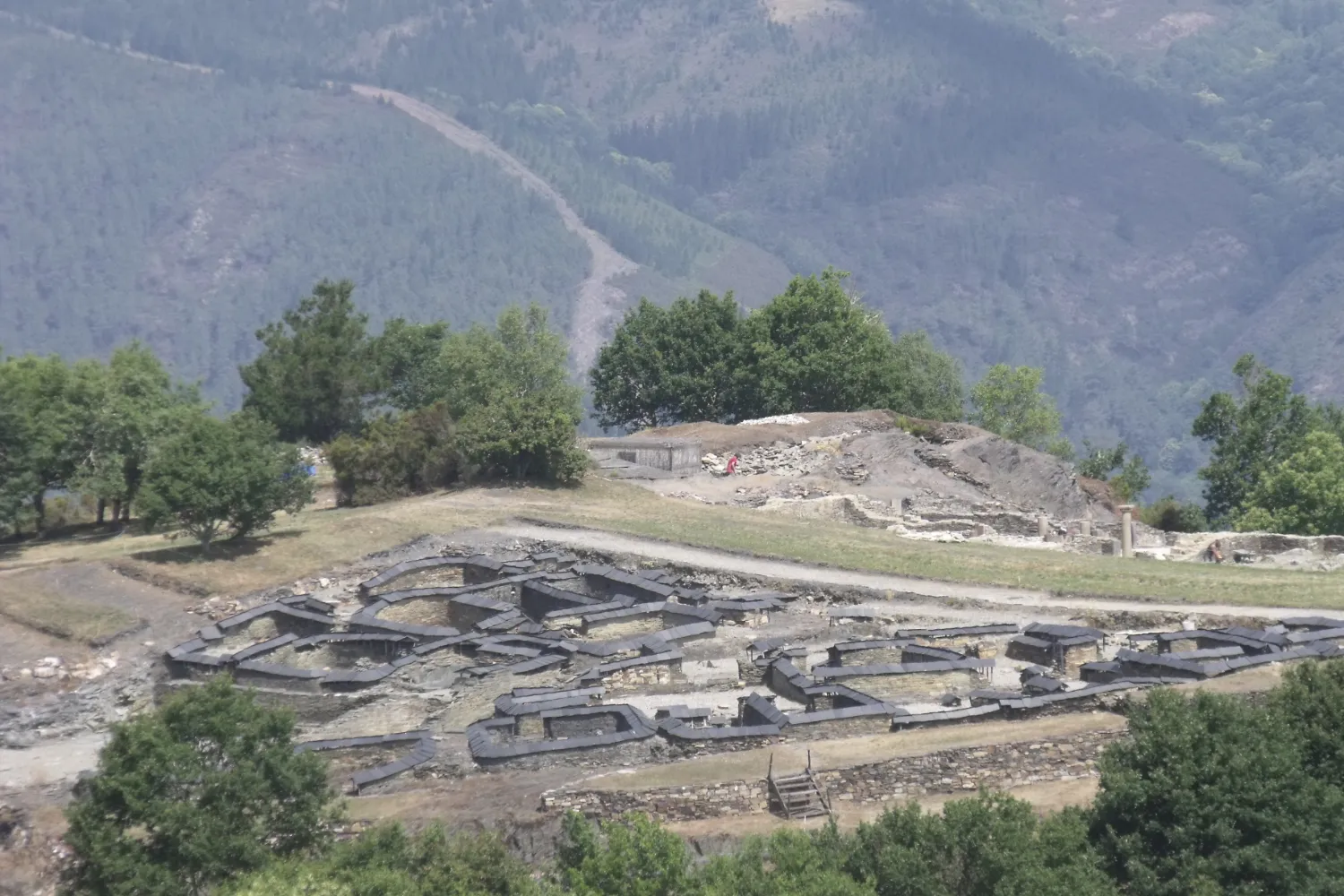
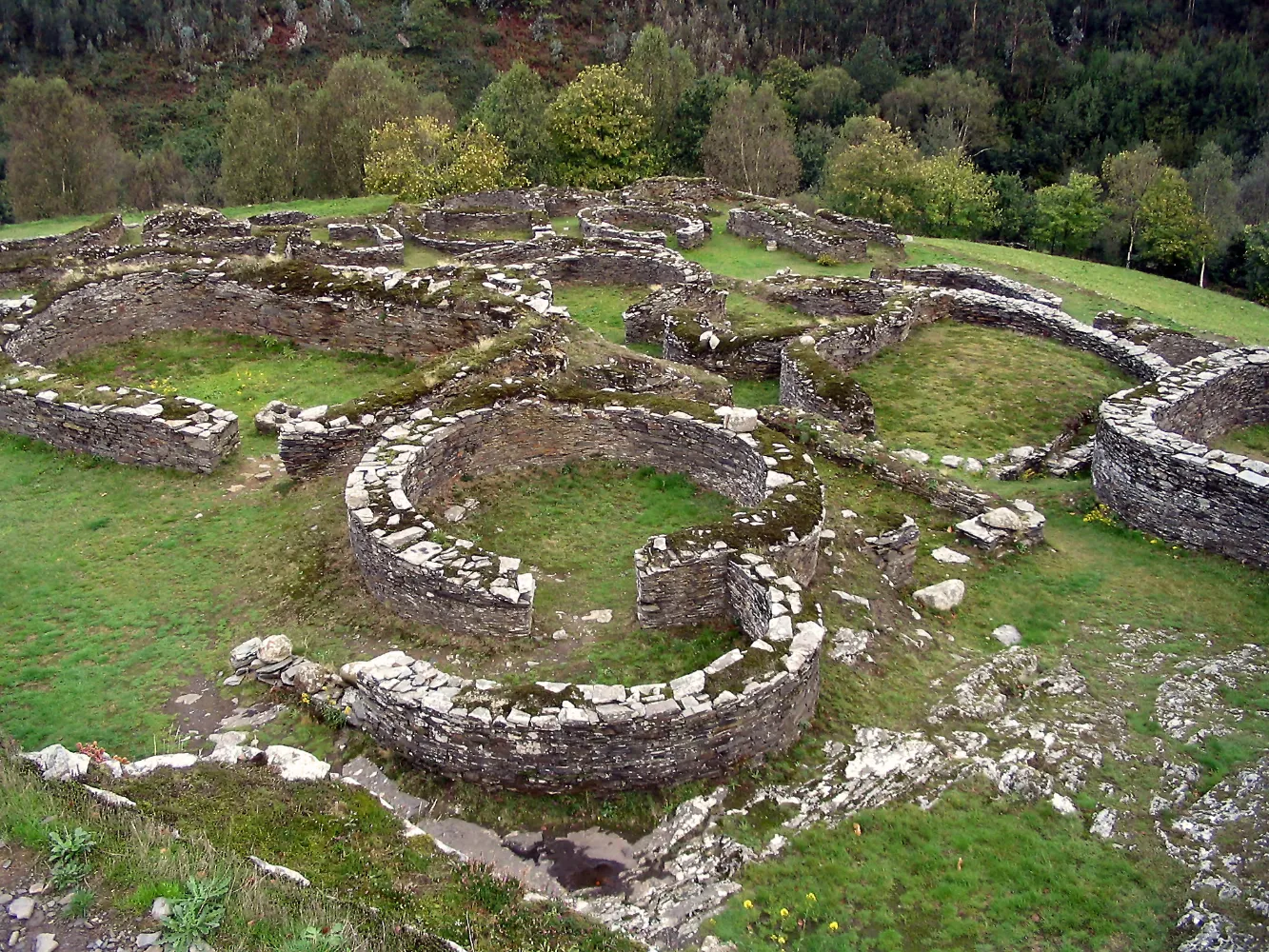
- The impressive Iron Age sites of the Castro Culture.
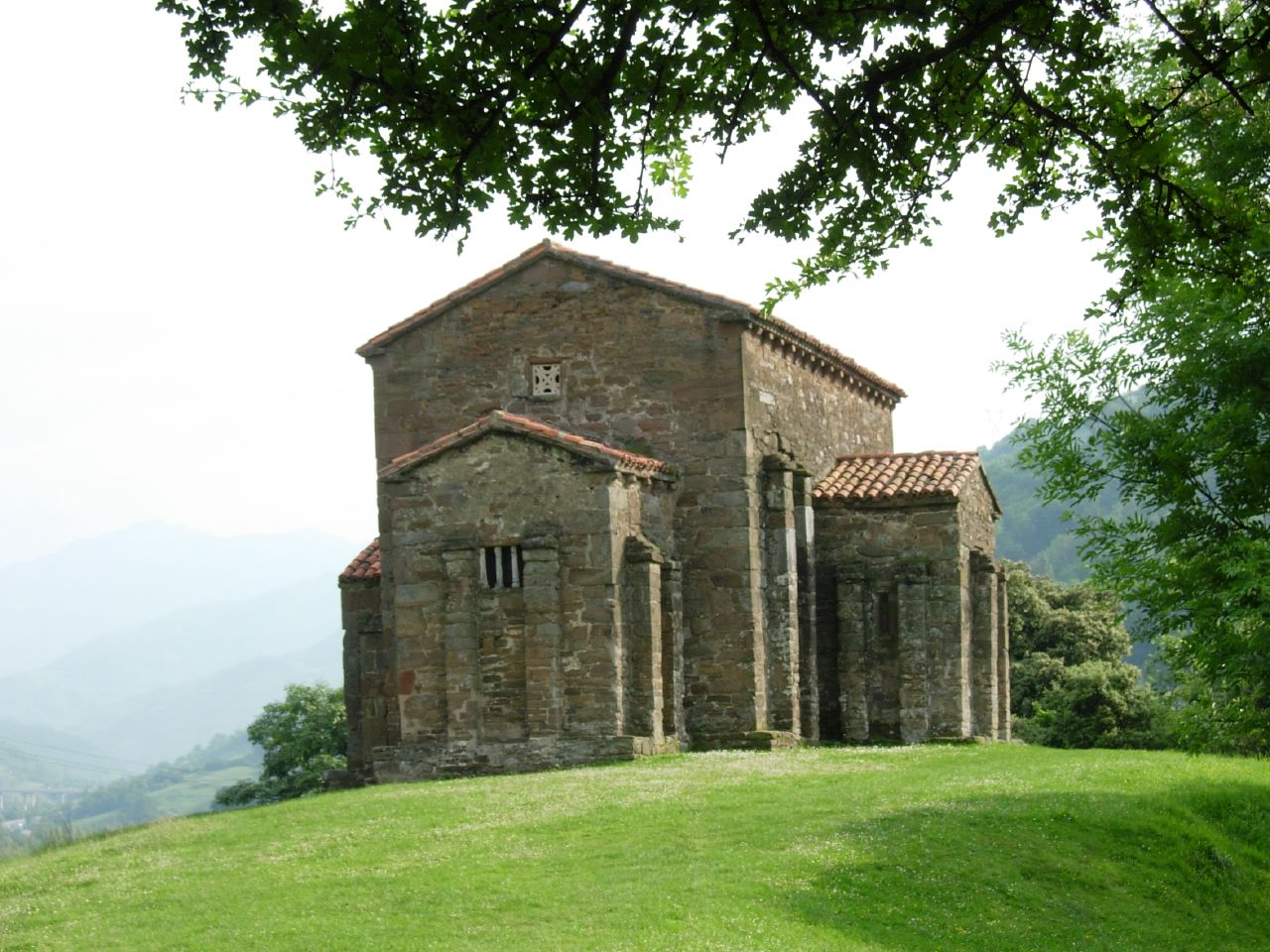
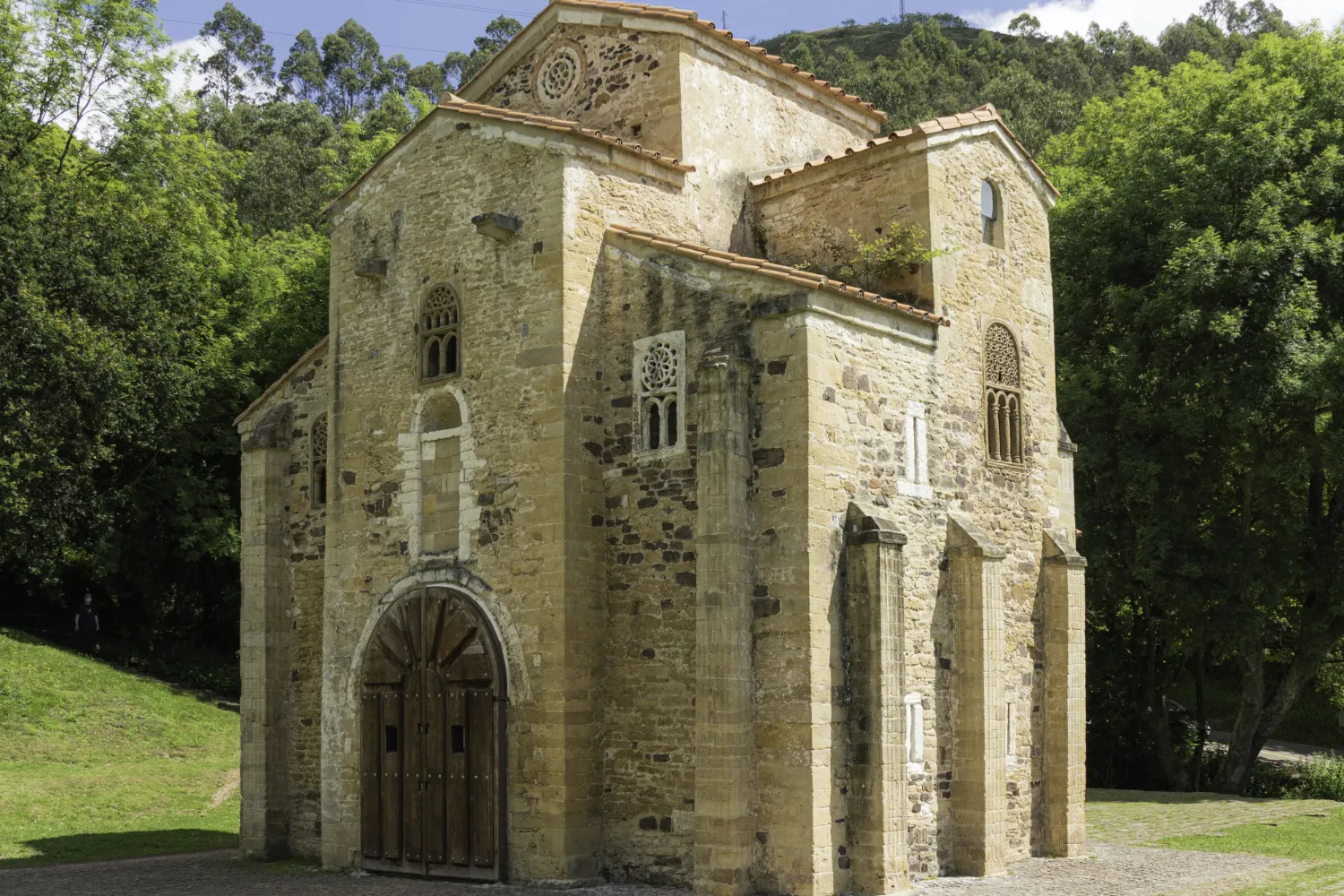
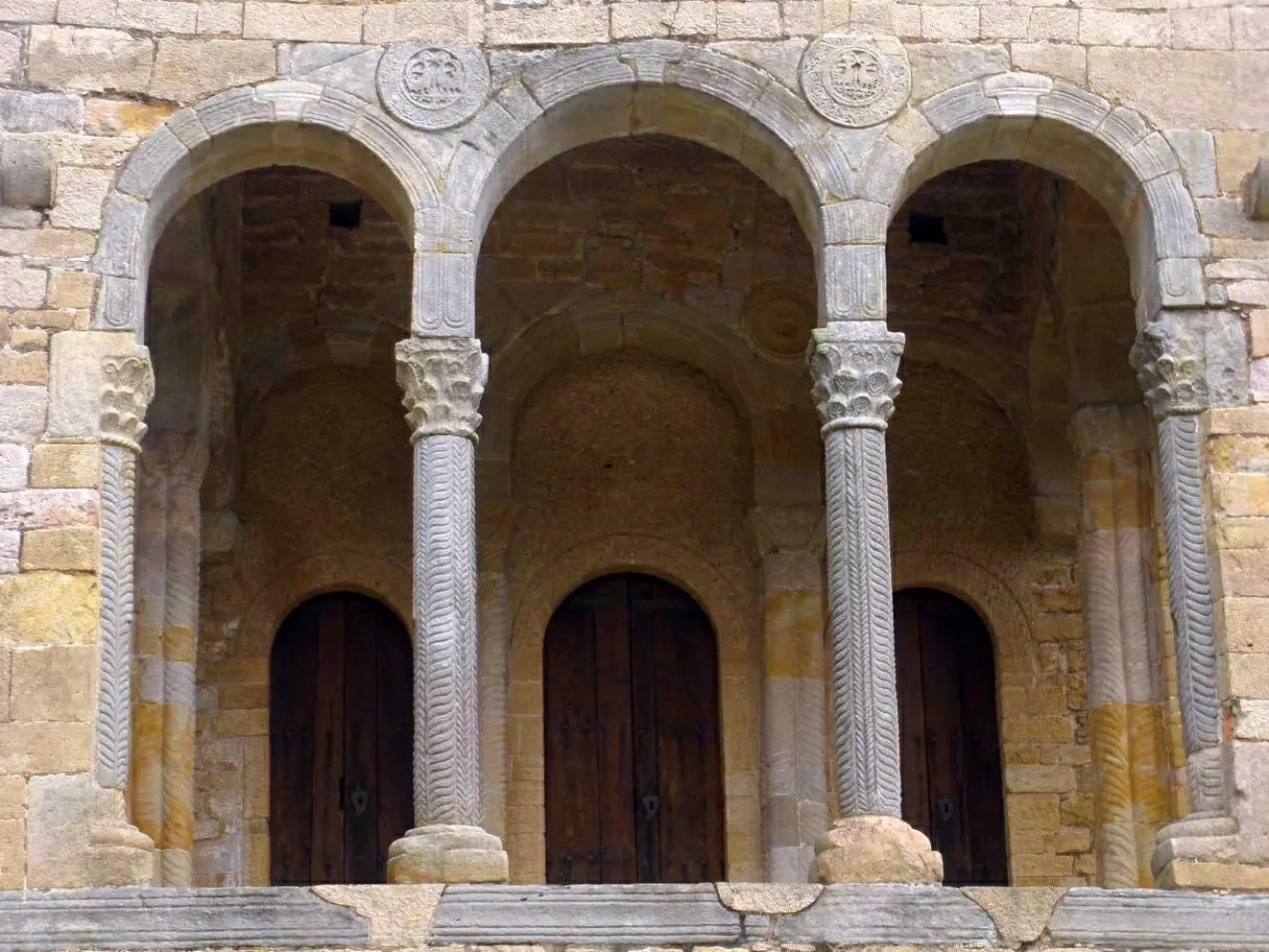
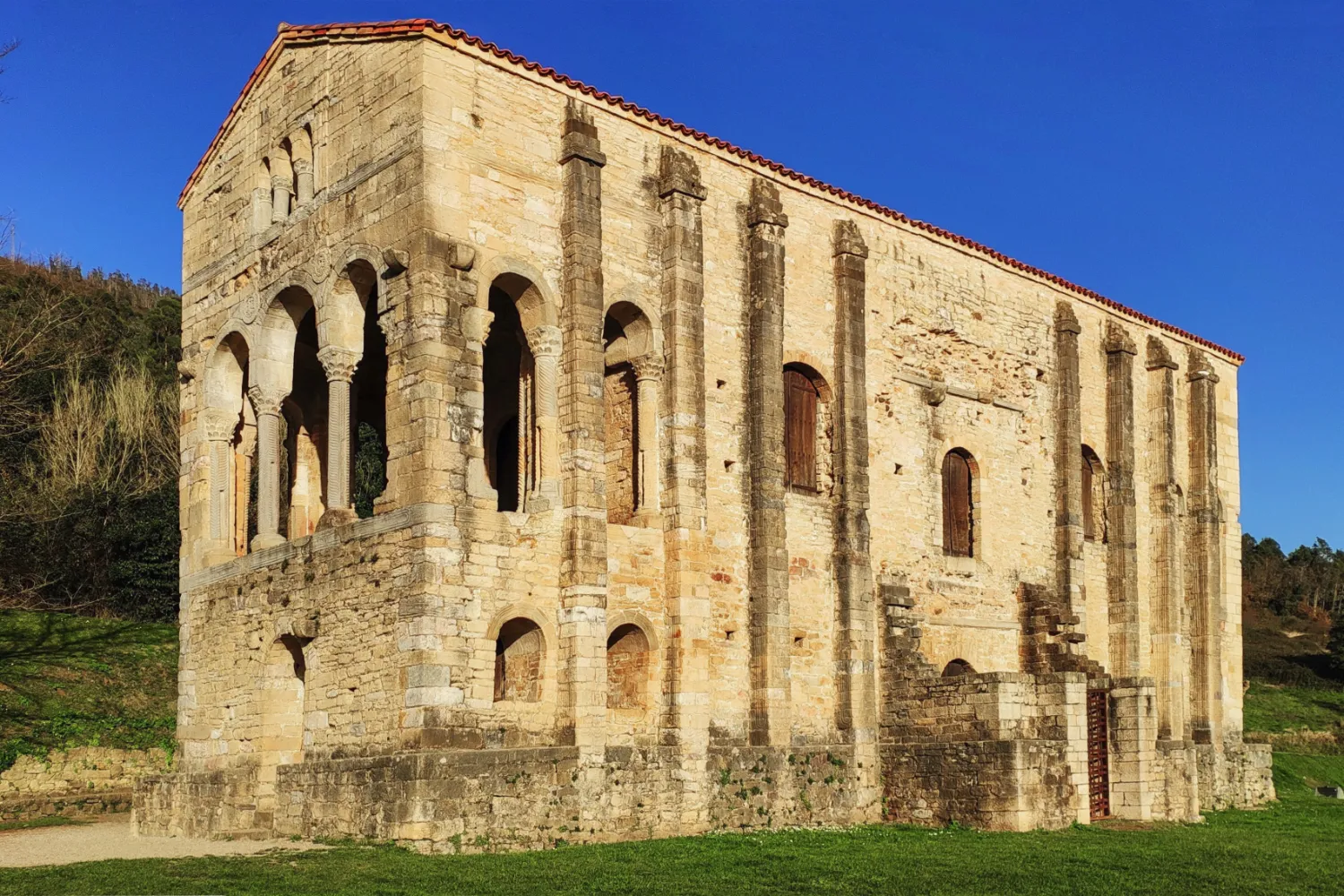
- Some of the finest pre-Romanesque early-medieval buildings in Europe.
- Discover the spectacular scenery and authentic culture of northern Spain.
- A dedicated itinerary led by two specialists in their field, supported by a local Asturian guide.
Dates & Prices:
Sorry! There are no departure dates currently available for this tour.
If you’d like a reminder when dates are available leave your email below.
What’s Included:
- Nine nights hotel accommodation (2 in Santillana del Mar, 4 in Navia and 3 in Oviedo).
- All breakfasts and four evening meals.
- Daily excursions with all transport, entrances and guiding.
- Flexible travel arrangements.
- 100% TTA financial guarantee.
- Overview
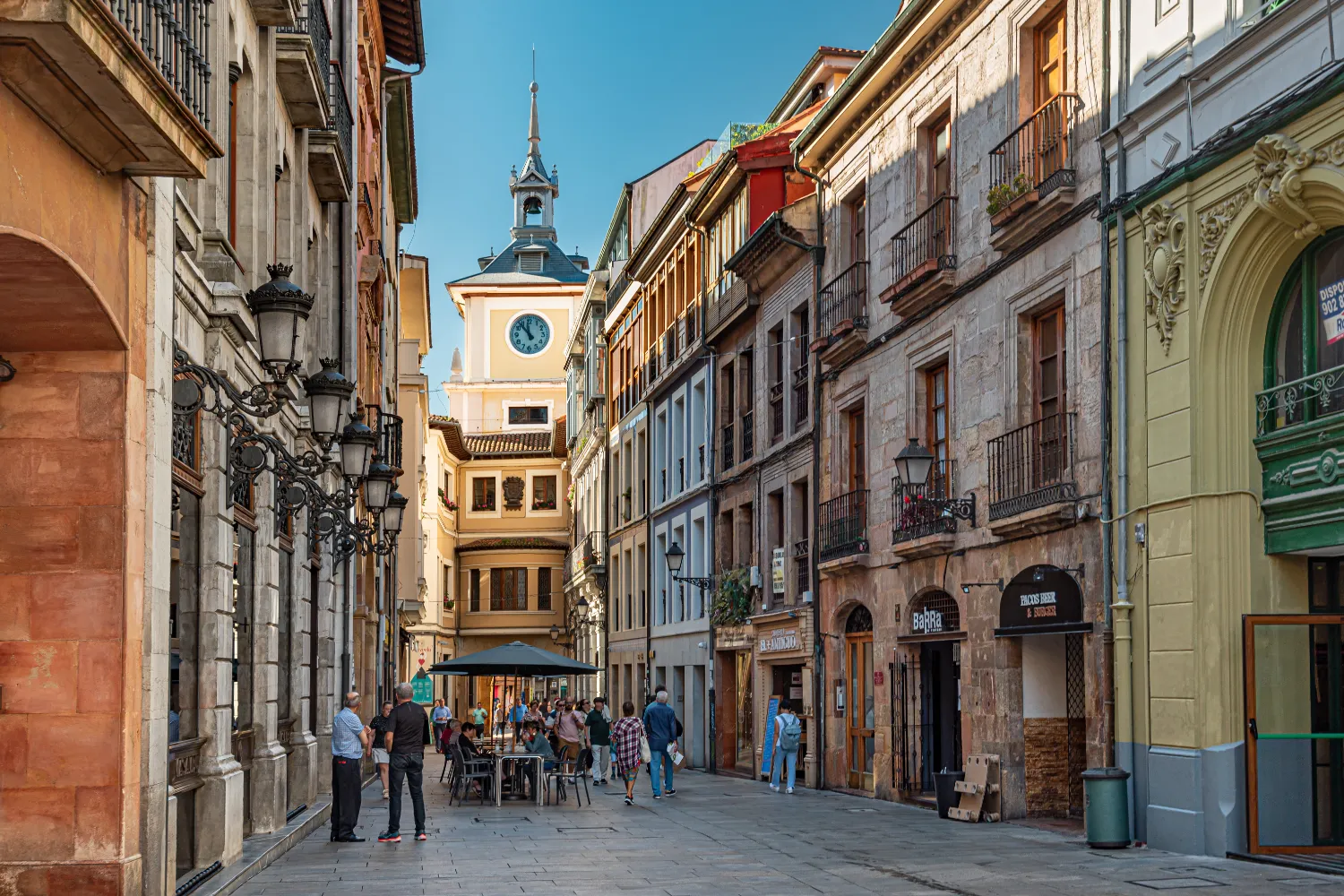
As the sole patch of Spain never to be conquered by the Muslims, it can be claimed that Asturias and Cantabria are the real Spain, a term which refers not only to the region’s deep Hispanic heritage but also its more authentic character in a country known today for its tourist hotspots. Situated on the Atlantic northern coast, it is often also called Green Spain, on account of its lushness compared to the hotter, drier south. The region is, in short, a hidden gem, a natural paradise of wild coastline, majestic mountains, colourful towns, and rustic villages with traditional ways.
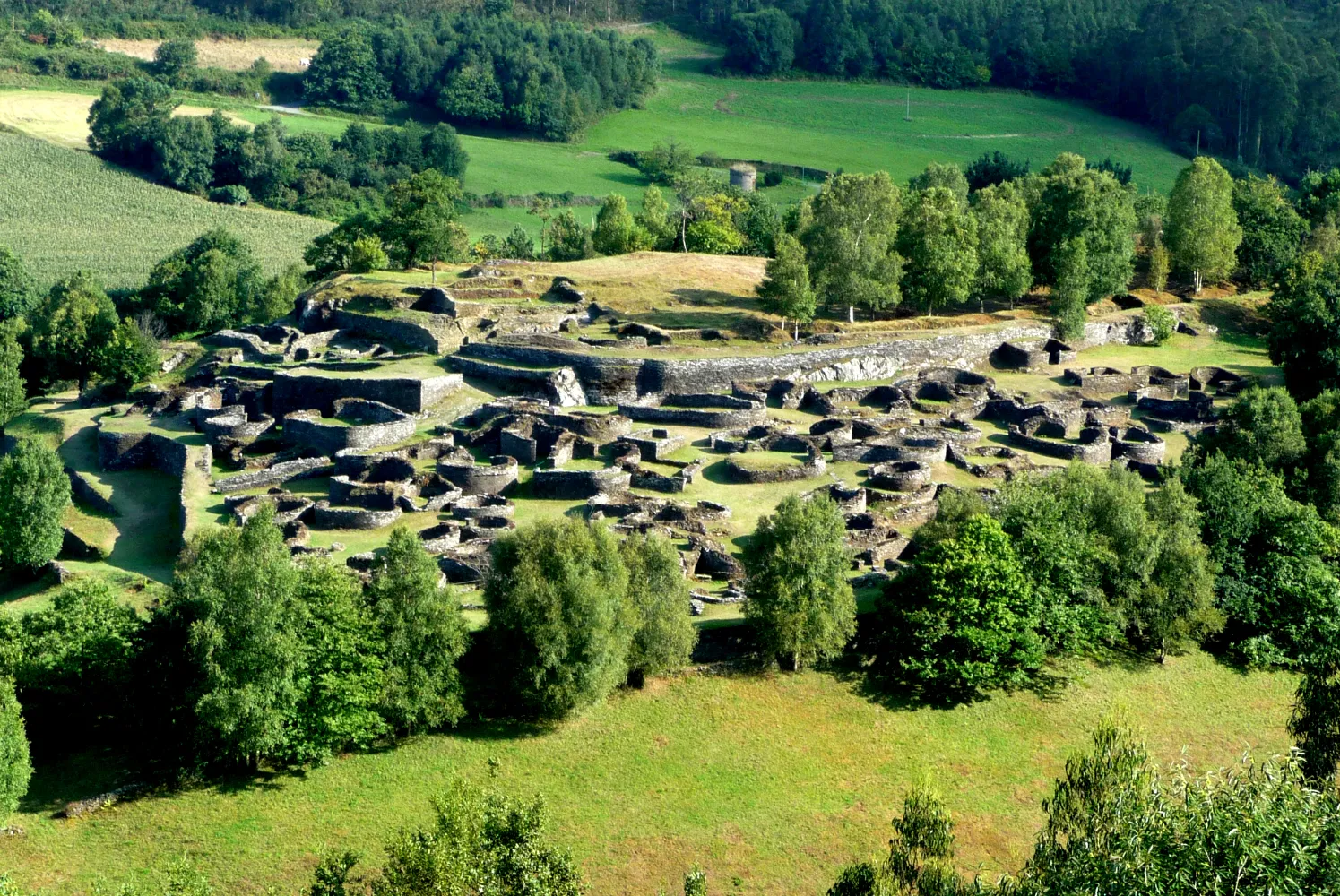
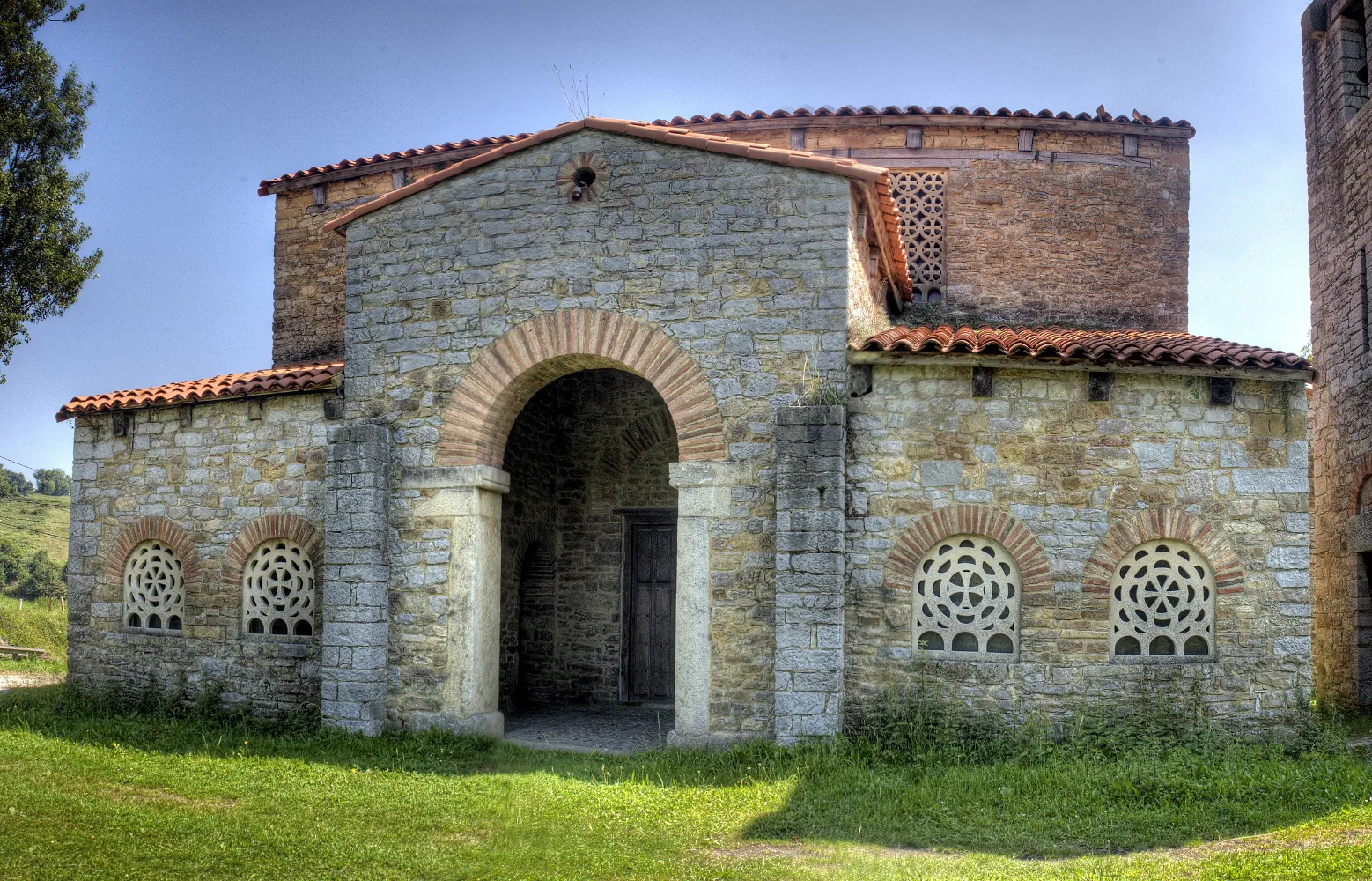
Our tour travels chronologically through both the prehistory and the history of the region, beginning with the World Heritage cave art of Cantabria, and ending with the origins of the Spanish nation in early Medieval Asturias. Along the way we explore the emergence of human abstract thought in Europe’s best preserved Palaeolithic art, the impressive stone-built settlements of the Iron Age Castro Culture, and the accomplished pre-Romanesque art and architecture of a post-Visigothic Kingdom which initiated the Christian reconquista of all Spain from the Islamic Moors.
Travelling both along the coast and into the mountainous interior, we enjoy the genuine local culture of towns known for their ciders and gastronomy, and we get off the beaten track into the remoter areas and spectacular wilder landscapes of this truly beautiful, unspoilt part of Spain.
See the ‘Itinerary’ tab above for full itinerary details.
-
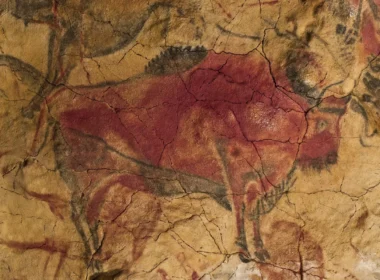
- Altamira [1]
-
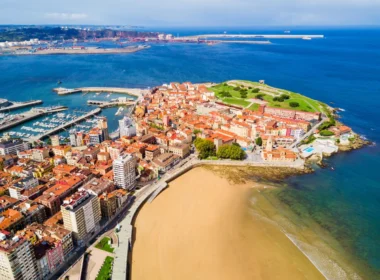
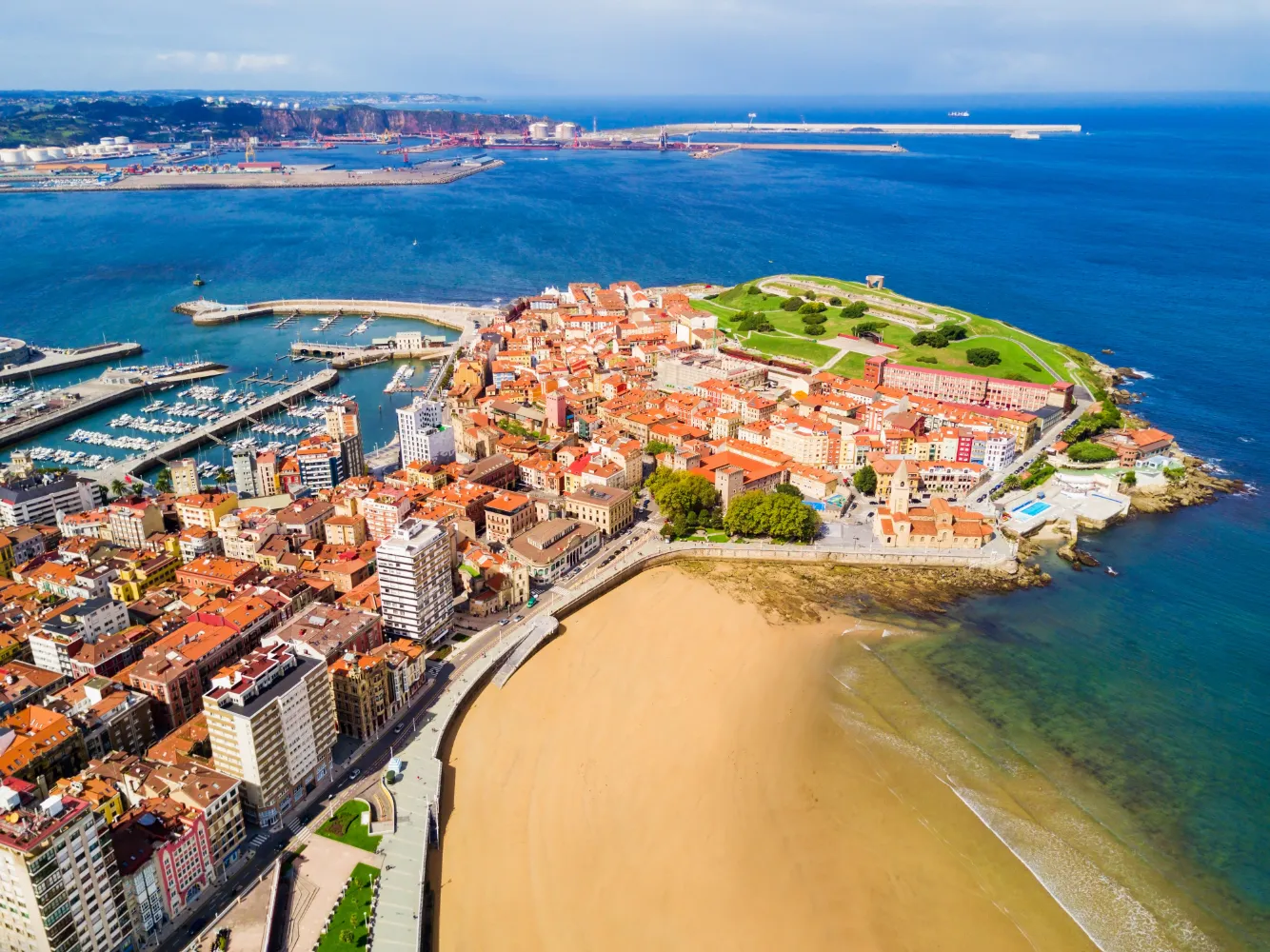
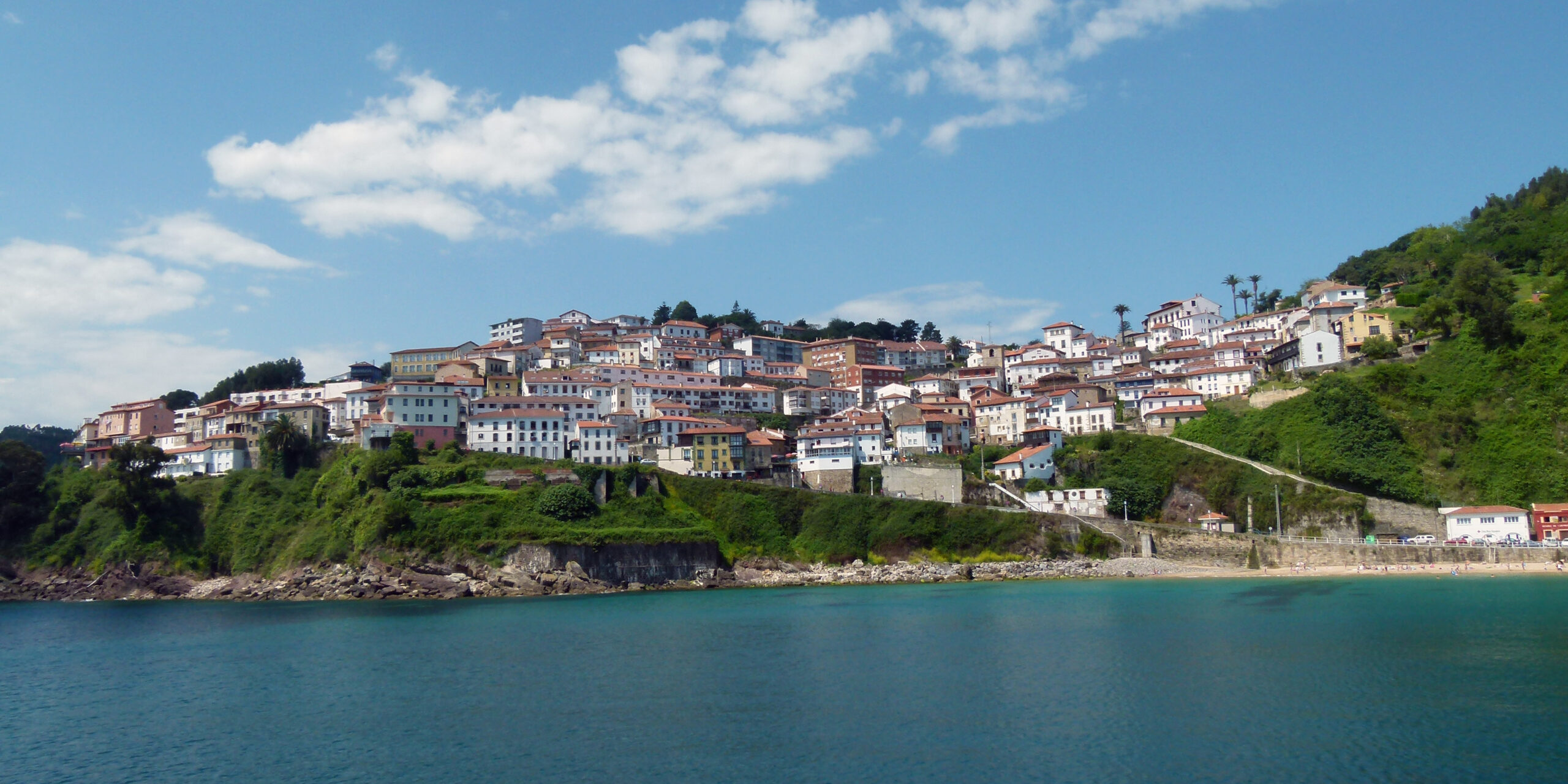
- Gijon [2]
-
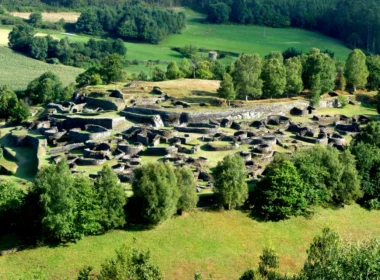
- Castro de Coaña [3]
Your Tour Directors

Emeritus Professor Gary Lock
Gary is Emeritus Professor of Archaeology at the University of Oxford, where he has taught and researched for many years. He is an acknowledged authority on Iron Age hillforts, and co-directed the recent ‘Atlas of Hillforts of Britain and Ireland’ project. He has directed fieldwork and led tours in the UK, Spain and Italy, and has encouraged much community involvement in his excavations and post-excavation work.
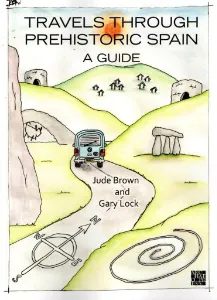
Travels Through Prehistoric Spain: A Guide
Gary has recently published ‘Travels through Prehistoric Spain: A Guide’, co-authored with his wife Jude. It includes a background to Spanish prehistory and details over 200 sites, from Palaeolithic cave art to Iron Age castros, many of which get you off the beaten track into the Real Spain. It’s an ideal companion to the tour, and can be bought with a 20% discount using promo code 090020.

Mike Sibly
Mike graduated in history from Cambridge University and became Deputy Registrar at Oxford University, where he is now an Emeritus Fellow of St Anne’s College. He specialises in medieval history, especially the Crusades, has published translations of medieval accounts of the Albigensian Crusade, and has walked the pilgrimage route across northern Spain to Santiago de Compostela.
Activity Level
Some of the castro archaeological sites on the first half of this tour are in mountainous terrain, but they simply require some gentle uphill and downhill walking in order to get around them. There are no hikes or long walks, the pace is always gentle, and most of the sites on the tour will present little challenge for those with a reasonable level of mobility and independence. Please feel free to ask us for more details.
Getting There
You have complete freedom to choose when and how you travel, whether by air, sea or rail. Choose your preferred departure point, times, length of stay etc.
Why not extend your stay in the region, and why not travel to Spain by sea or train? It makes the journey part of your holiday, and reduces your carbon footprint
We will be happy to help, and if you book your flights with us you will be fully ATOL protected. See the ‘Getting There’ tab above for more details.
Sail Overnight from England
We recommend sailing overnight from Portsmouth to Santander. Depart in the evening of 4th May and arrive 33 hours later on the morning of 6th May, having enjoyed a cruise experience with two relaxing nights on board the ferry. You are then just 30 minutes away from our hotel, and we will meet you at the ferry and transfer you. Your journey really will feel like part of your holiday, and you’ll also create a significantly lower carbon footprint than if you fly. Portsmouth harbour is easy to get to by train too, less than 1.5 hours from London.
What to Expect
All our tours include a full programme of expertly guided excursions and interesting talks to create an enriching travel experience. The emphasis is on both the cultural interest and the nature of the experience—focused but with time to relax and absorb it all.
We like to explore and get off the beaten track for special access to hidden gems and better integration with the local culture and economy. We keep our group sizes small (8–18 people) which enhances your experience and minimises adverse impacts on local communities. It is very relaxed and informal with no prior knowledge expected.
Click HERE for more about what to expect.
How To Book
Tours have minimum and maximum numbers of participants, so you will benefit from booking early; it secures your place and enables us to confirm your tour earlier. We keep our group sizes small, so tours can quickly fill but it is always worth checking for late availability.
Reservations & Enquiries: To reserve your place or enquire further simply click the “Book This Tour Now” button on the relevant tour page, and submit your details. You can also call us on (UK) 0121 444 1854, or email enquiries@hiddenhistory.co.uk.
There is no commitment and no payment at this stage; reservations are purely provisional until we have confirmed availability and proceeded with booking and payment.
Booking & Payment: Once we have checked availability, a deposit is required to secure your booking (£100 for UK tours, £250 for non-UK tours). We will email you a payment link which enables payment by credit card, debit card or bank transfer. Card payment can also be made by telephone (UK) 0121 444 1854.
Places and prices are guaranteed only with a deposit. Full payment is usually required 2 or 3 months ahead of the tour.
Financial Protection: Hidden History Travel is a member of the Travel Trust Association with membership number Q2398. This means that we provide you with the strongest consumer protection available in the travel industry. Any payments you make are 100% protected by the association to pay for your holiday or to reimburse you if we fail to provide it. Hidden History Travel also holds ATOL licence number 12463. This means that if you book your flights with us you will be protected if we or your airline cease trading.
See our booking conditions for further details.

Leave Your Review