
Cyprus
Rich and significant archaeology
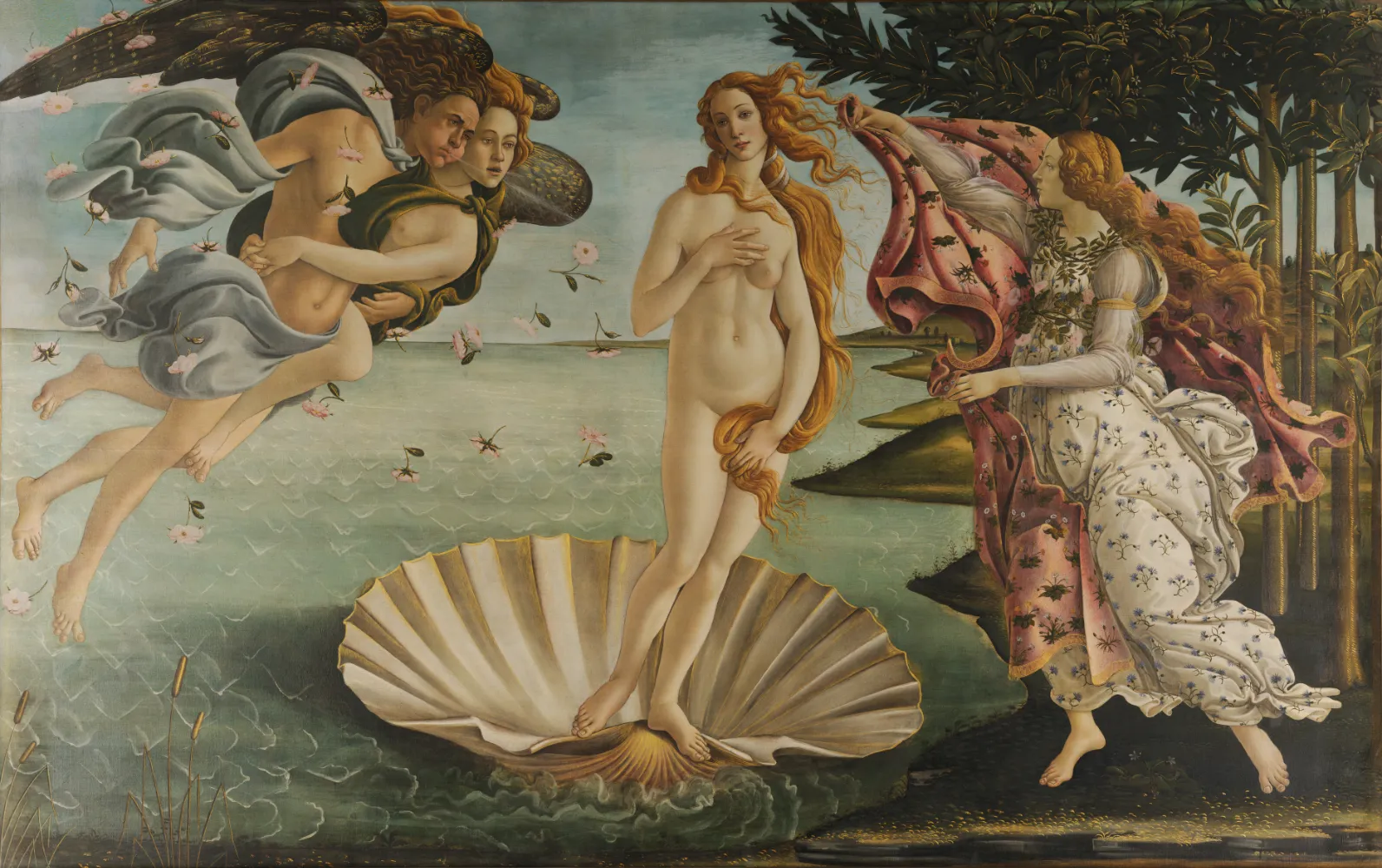
In recognition of the charms of Cyprus, the ancient Greeks placed here the birth of Aphrodite, goddess of beauty, and this island has enjoyed a history of affairs with both Asia and Europe.
Its location made it a stepping stone between east and west; initially as a link amid ancient networks of commerce and trade, then maturing into a strategic foothold for rival foreign powers. Cypriot archaeology is correspondingly rich and significant, and it has recently become more easily accessible with the relaxation of the north-south divide between Turks and Greeks; there has been no better time to visit Cyprus.
First Settlers: Current evidence for the initial colonisation of Cyprus dates back to about 11000 years ago, when hunter-gatherers arrived by boat from the Near East. Early farmers soon followed, and at Khirokitia there is an outstanding example of a 9000 – 7000 year-old Neolithic village, with stone walled houses sprawling down the hillside. On the edge of emerging civilisation in the fertile crescent, these Neolithic communities maintained a distinctivly Cypriot culture until the advent of metallurgy brought the island’s native copper resources to international attention.
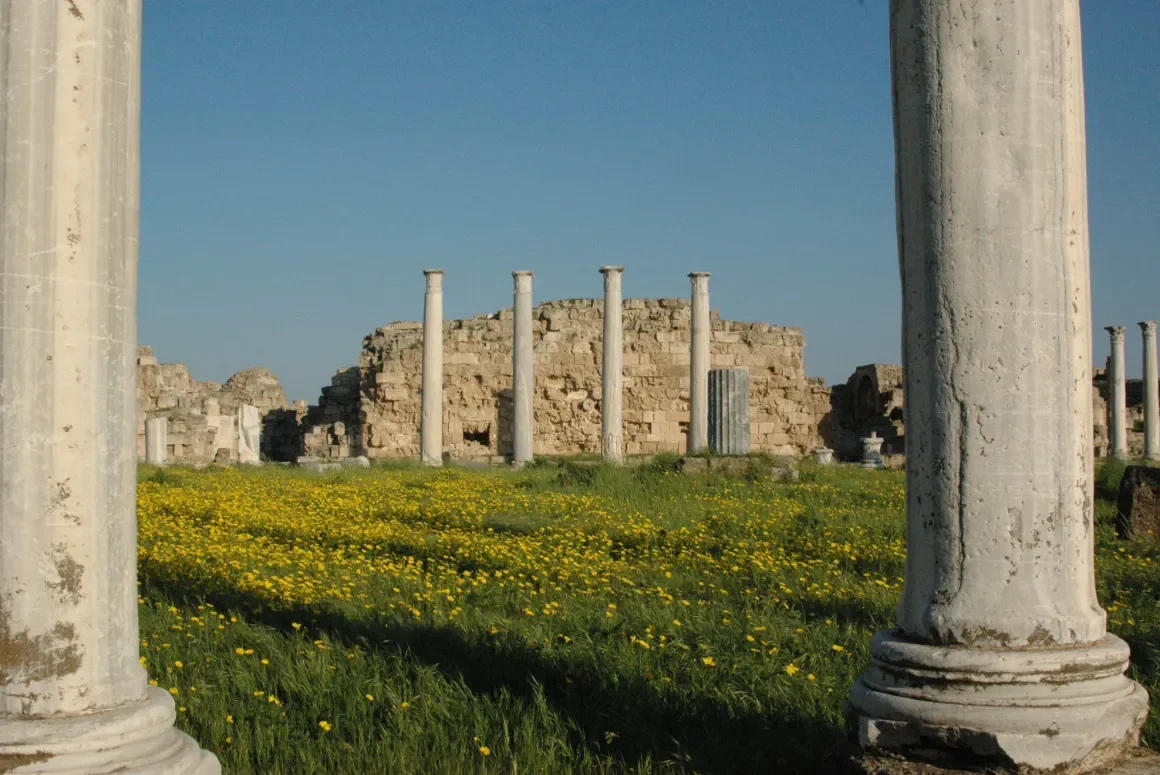
Island of Copper: The Archaeology Museum in Nicosia displays a wonderful collection of metalwork and ceramics from the Chalcolithic and Bronze Ages, which clearly reflect economic prosperity and increasing cultural complexity culminating in the growth of urban centres such as Enkomi during the 2nd millennium BC. But the most extensive remains today are those of nearby Salamis, which emerged as the most powerful kingdom on the island by the 1st millennium BC, and is now one of the foremost archaeological sites of Cyprus.
-
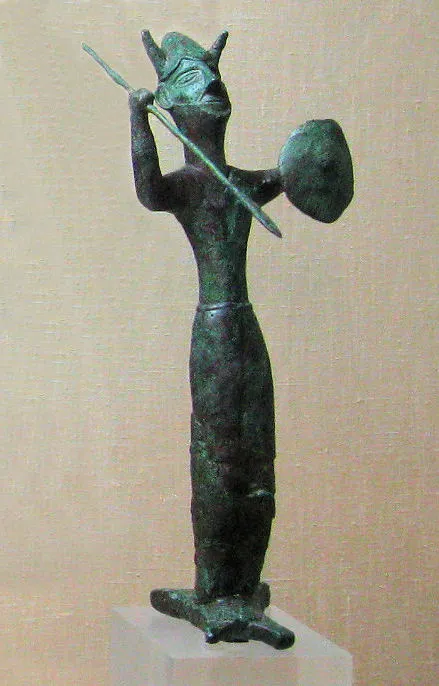
- This 12th century BC bronze statuette stands on an ingot of copper, a valuable native resource of Cyprus [1]
-
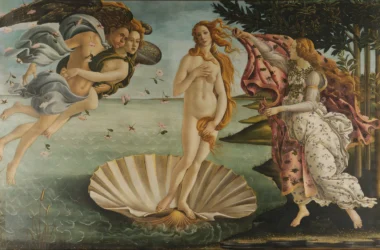
- Botticelli's "Birth of Venus"
-
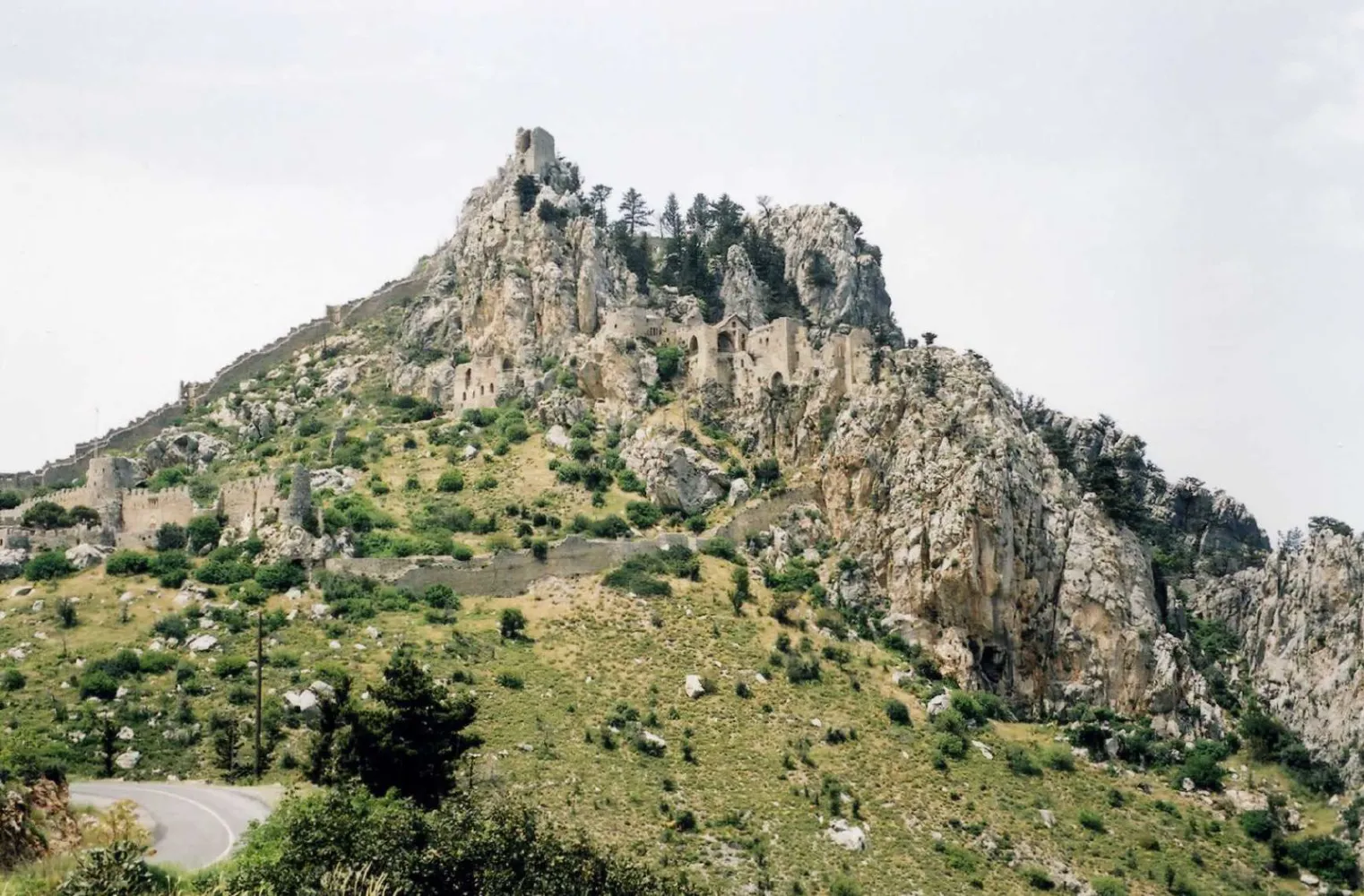
- The medieval castles of Cyprus are perched on rocky mountain tops, and make great walking tours [3]
Foreign Conquerors: Both Phoenicians and Greeks were attracted by the commercial potential of Cyprus, and by the 7th century BC political interests brought a succession of foreign conquerors to the island; Assyrians, Egyptians, Persians, Greeks and eventually the Romans. There are Persian palaces and Hellenistic sculptures to admire, but Roman rebuilding of the cities left the biggest imprint; the mosaics of Paphos, for example, are justifiably world famous.
Hermits and Crusaders: Proximity to Palestine ensured an early role for Cyprus in the growth of Christianity. Cypriot saints and hermits flourished, and there are good examples of early Christian basilicas on the island, such as at Kyrenia in the north and Amathus in the south. By the 12th century Cyprus was a strategic foothold for the Crusaders, and became home to the Latin Lusignian dynasty, a dazzling feudal court of Medieval Europe. Their castles and Gothic churches survive today as majestic reminders of the defence of Christendom against the Ottoman Turks.
A visit to northern Cyprus provides some spectacular views from the lofty ramparts of Kantara or St Hilarion castles, or from the beautifully sited Bellapais Abbey. Subsequent Venetian occupation is marked by the massive ramparts and bastions still visible at the ports of Famagusta and Kyrenia, and around the island’s capital Nicosia, which finally fell to the Ottoman Turks in 1571.
Recommended Publications:
“Ancient Cyprus” by Veronica Tatton-Brown.
British Museum Press, 1997 (paperback), 96 pages, ISBN: 978-0714121208
This is a concise and well illustrated survey by a former curator at the British Museum. It remains a very useful overview and introduction to the main themes in Cypriot archaeology.
“Ancient Cyprus in the British Museum: Essays in honour of Dr Veronica Tatton-Brown” by Thomas Kiely.
British Museum Press, 2009 (paperback), 108 pages, ISBN: 978-0861591800
This volume highlights key points of interest in the rich and varied ancient Cypriot collections of the British Museum, drawing out their significance to Cypriot archaeology and revealing a range of fascinating subjects.
“Cyprus Before History” by Louise Steel.
Duckworth, 2004 (paperback), 192 pages, ISBN: 978-0715631645
This is a an accessible yet comprehensive and up-to-date review of archaeological research on the prehistory of Cyprus from the earliest settlers to the end of the Bronze Age.
“A Traveller’s History of Cyprus” by Tim Boatswain.
Haus Publishing, 2011 (paperback), 304 pages, ISBN: 978-1907973086
A complete and authoritative history of the island’s past right up to recent times. An invaluable companion to any exploration of the island.
“Early Cyprus: Crossroads of the Mediterranean” by Vassos Karageorghis.
Getty Publishing, 2002 (hardcover), 216 pages, ISBN: 978-0892366798
This beautifully illustrated volume is also a scholarly synthesis of current knowledge and theories relating to the Late Bronze Age, Geometric and Archaic periods of Cyprus (1600-480 BC). These important periods in Cyprus’s past are also placed in the wider context of the eastern Mediterranean.
Recommended Websites:
- The Ashmolean Museum: The Ashmolean Museum has been associated with the study of Cypriot archaeology since the late 19th century, and has a large, internationally important collection of archaeological material from the island.
Image Attributes
[1] Gerhard Haubold, GFDL, Source
[2] Sandro Botticelli, Public Domain, Source
[3] Richard, Flickr, CC BY-SA 2.0, Source
[Feature image] George Groutas, Flickr, CC BY 2.0, Source


